For/But man dieth...
For an overview of pink lustre plaques with religious subjects, click on the Pink religious heading above.
Dixon, Phillips & Co, Garrison Pottery, and attributed to Moore & Co, Wear Pottery, Sunderland
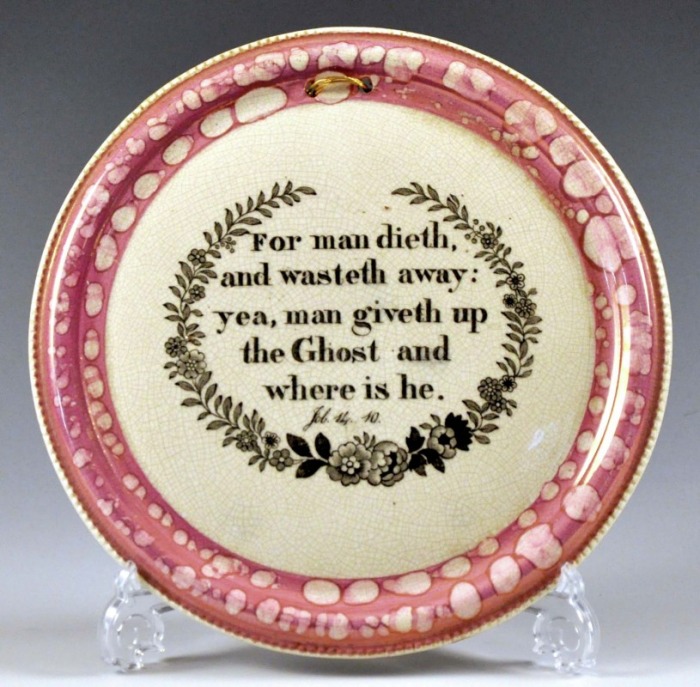
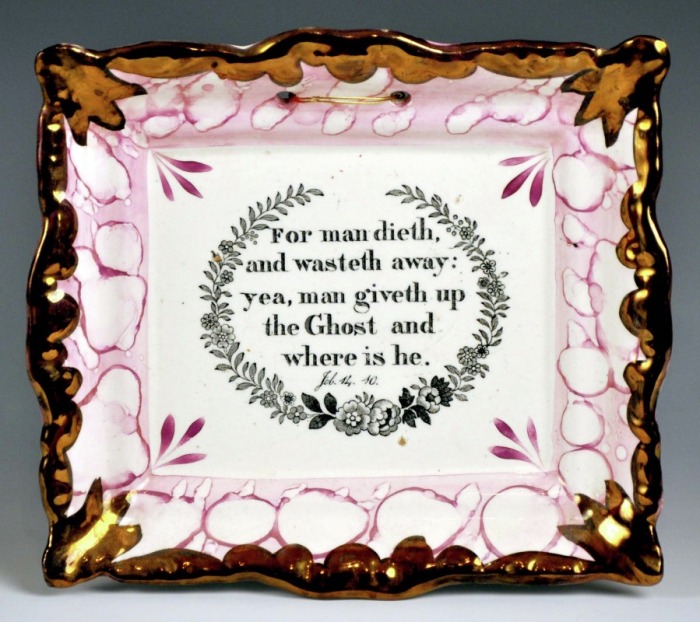
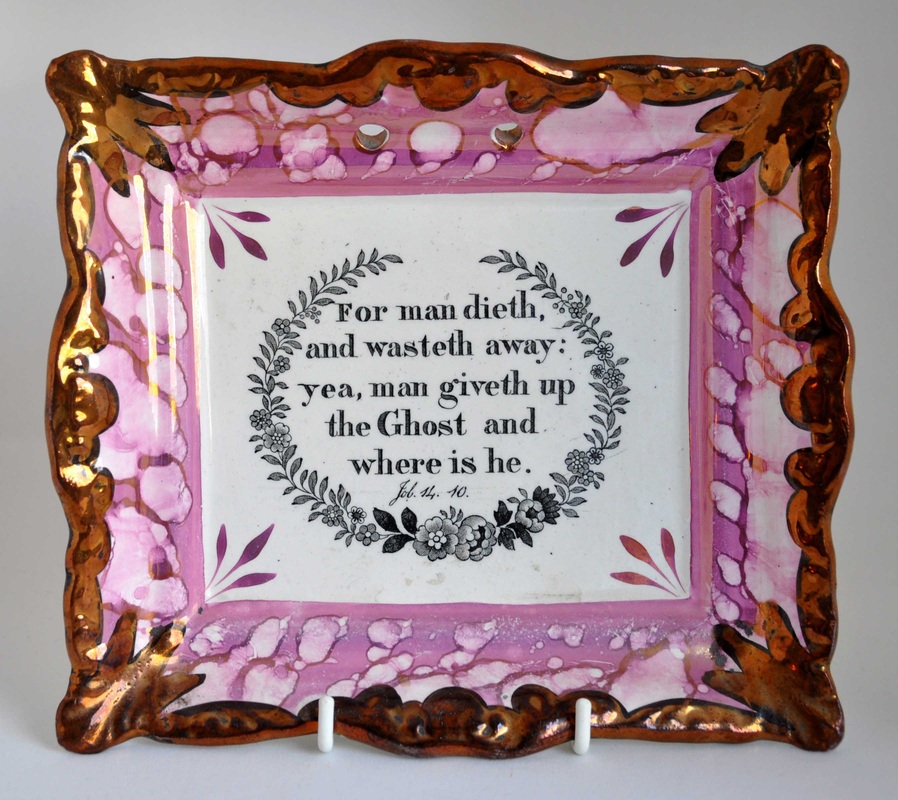

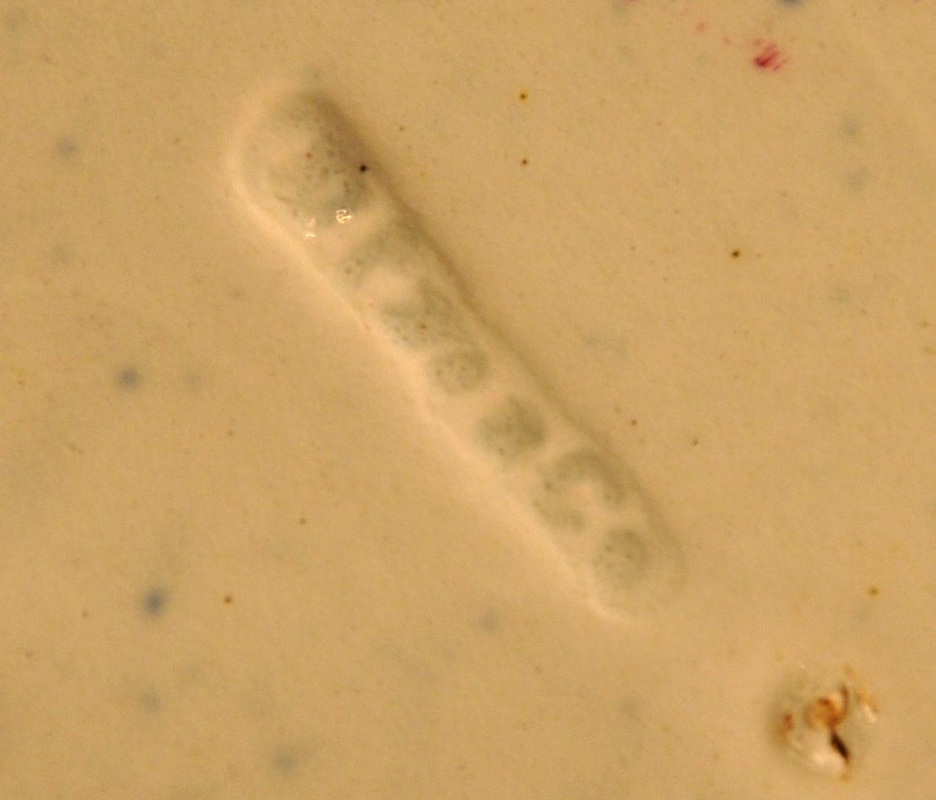
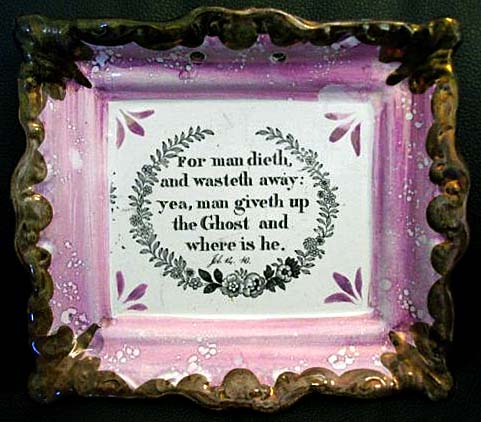
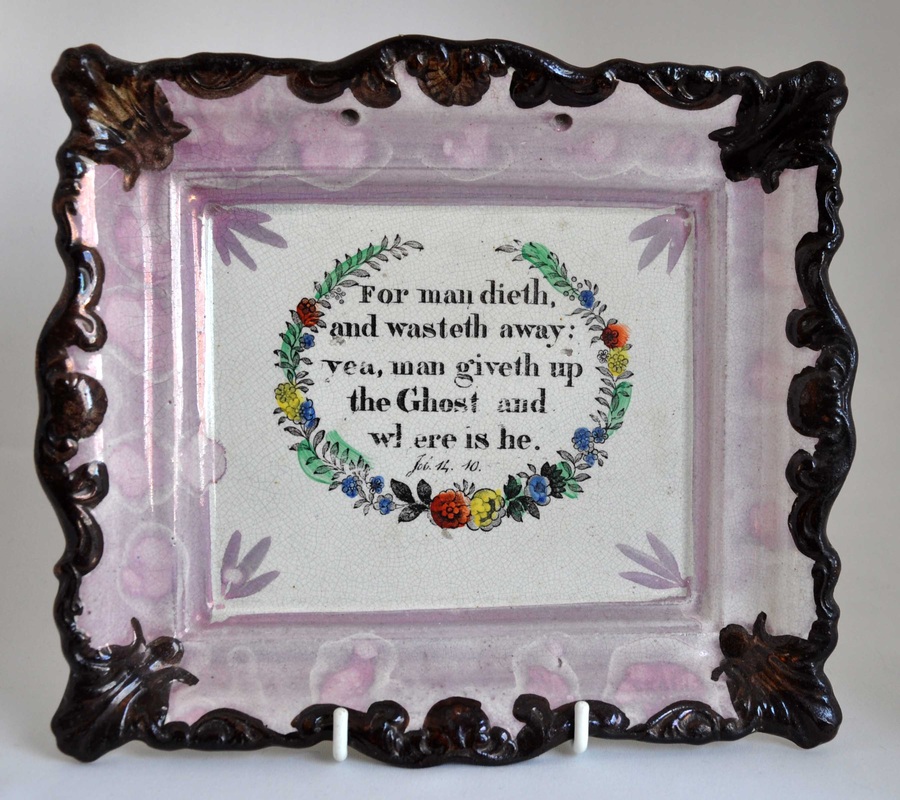
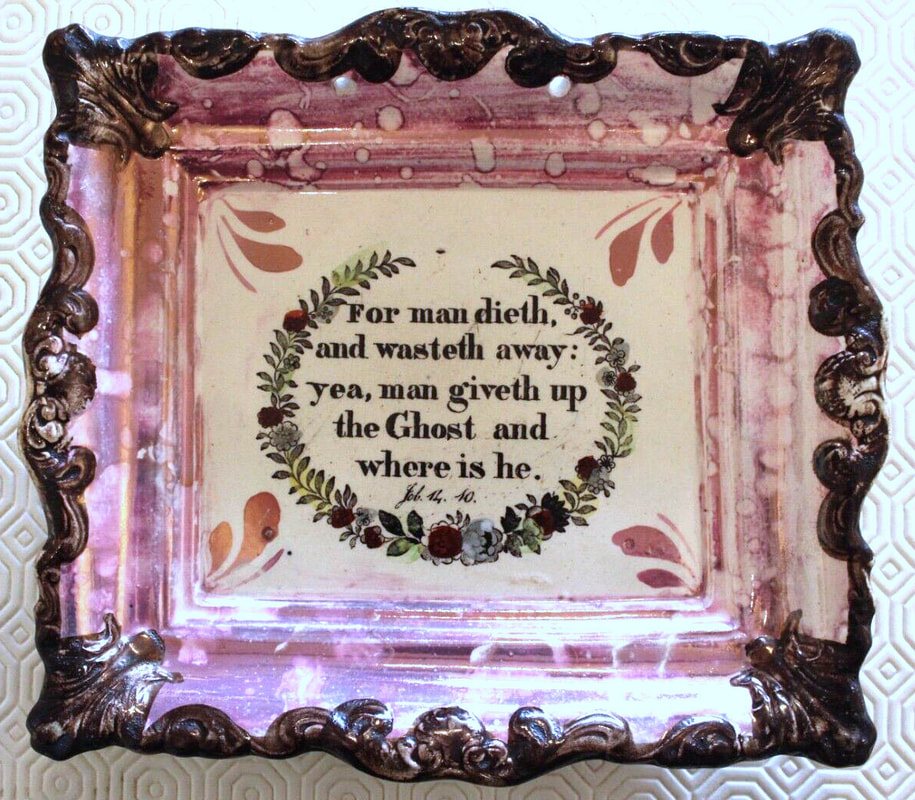
The first five plaques above are from the Garrison Pottery (Dixon). Rectangular versions can be found with both the 'Dixon, Phillips & Co' (surrounding anchor) and the 'Dixon Co' impressed mark. The Dixon, Phillips & Co anchor mark was likely used from 1839–c1850, and the Dixon Co impressed mark from c1851–1865. The mark shown is on the plaque to its left. The last two plaques above, with brown borders, are attributed to Moore's War pottery. Moore's apparently purchased the transfer plate when the Garrison Pottery closed in 1865.
For man dieth,
and wasteth away:
yea, man giveth up
the Ghost and
where is he.
Job.14. 10.
and wasteth away:
yea, man giveth up
the Ghost and
where is he.
Job.14. 10.
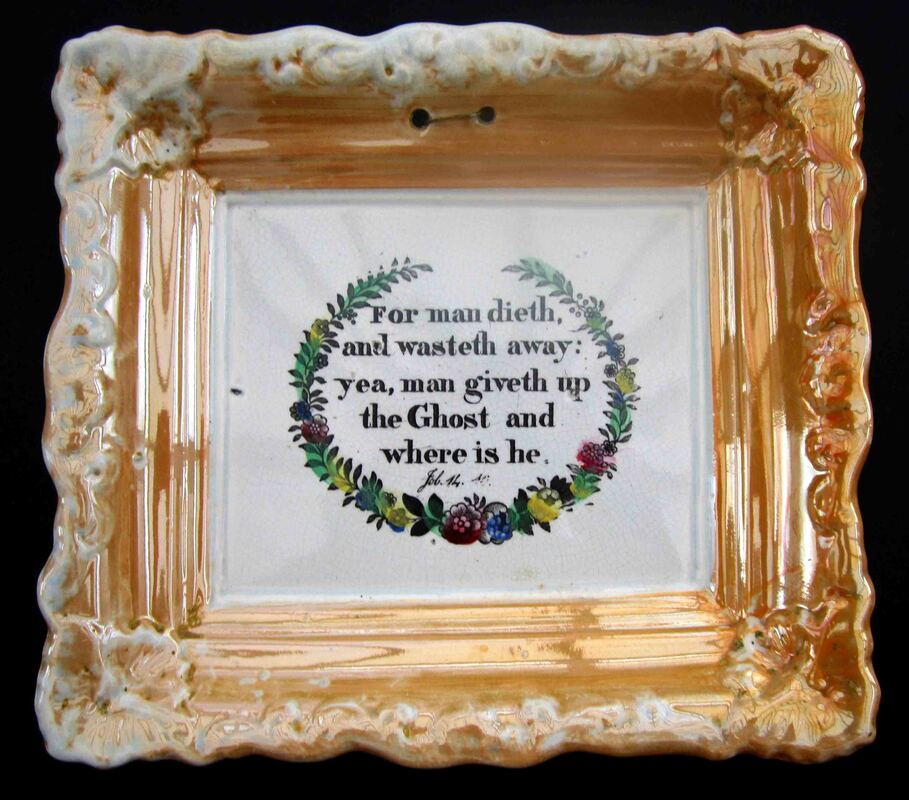
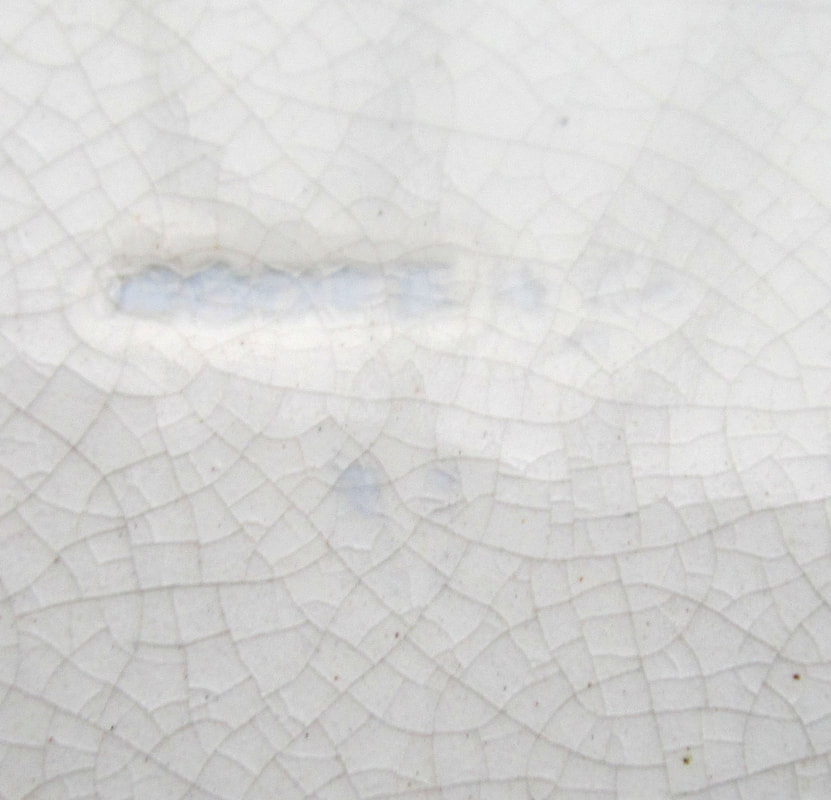
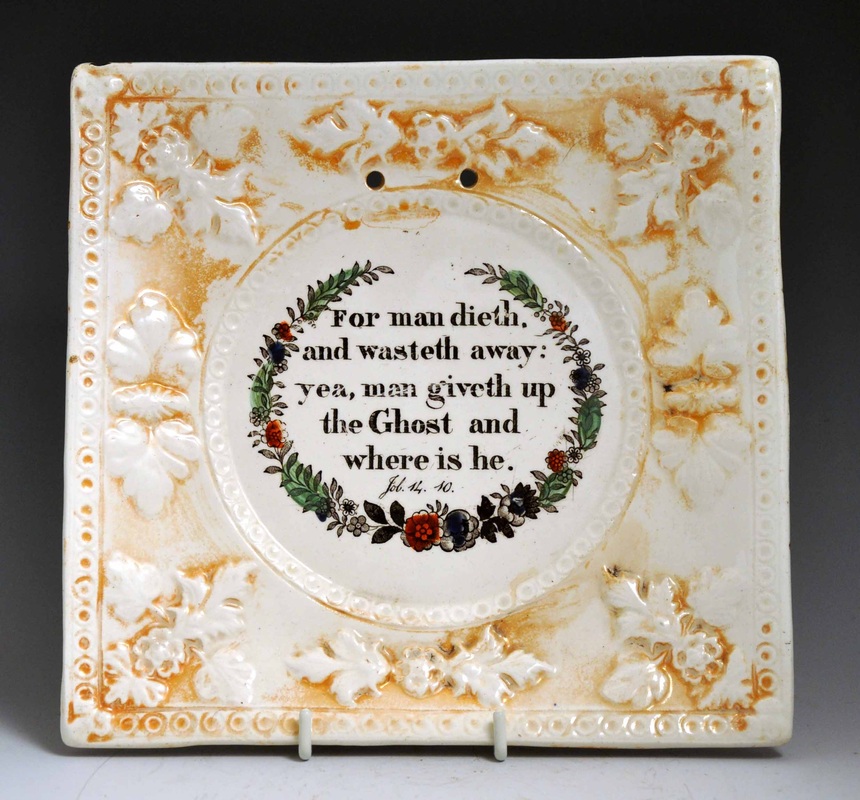
Above left is a rare example of an orange-lustre plaque with the impress MOORE & CO over the letter M, from c1870. The imprint is faint (please see the Thou God page for a similar plaque with a clearer impress). The second has a form associated with Scott's, of a similar date. It's possible that both potteries were sending plaques to be decorated at the nearby Sheepfolds Warehouse during this period.
Attributed to Seaham Pottery, John Carr's Low Lights Pottery, North Shields and Ball's Deptford Pottery
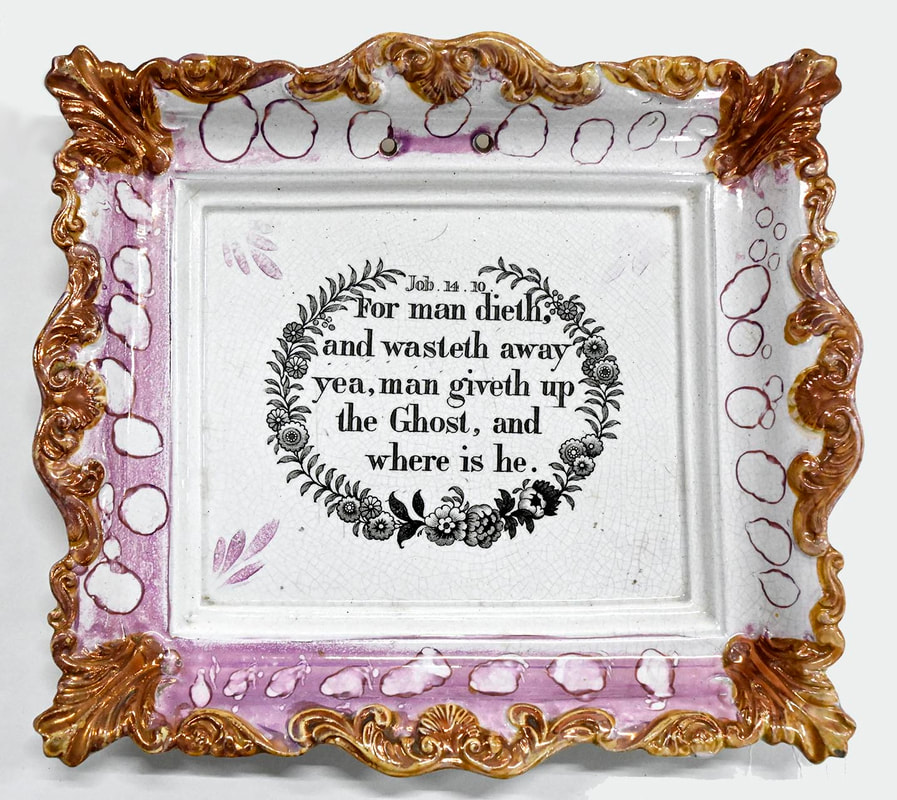
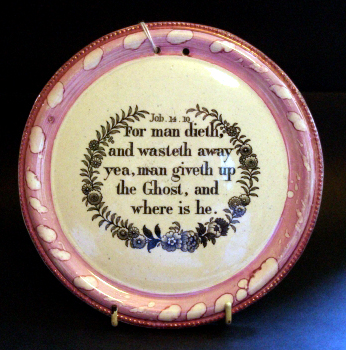

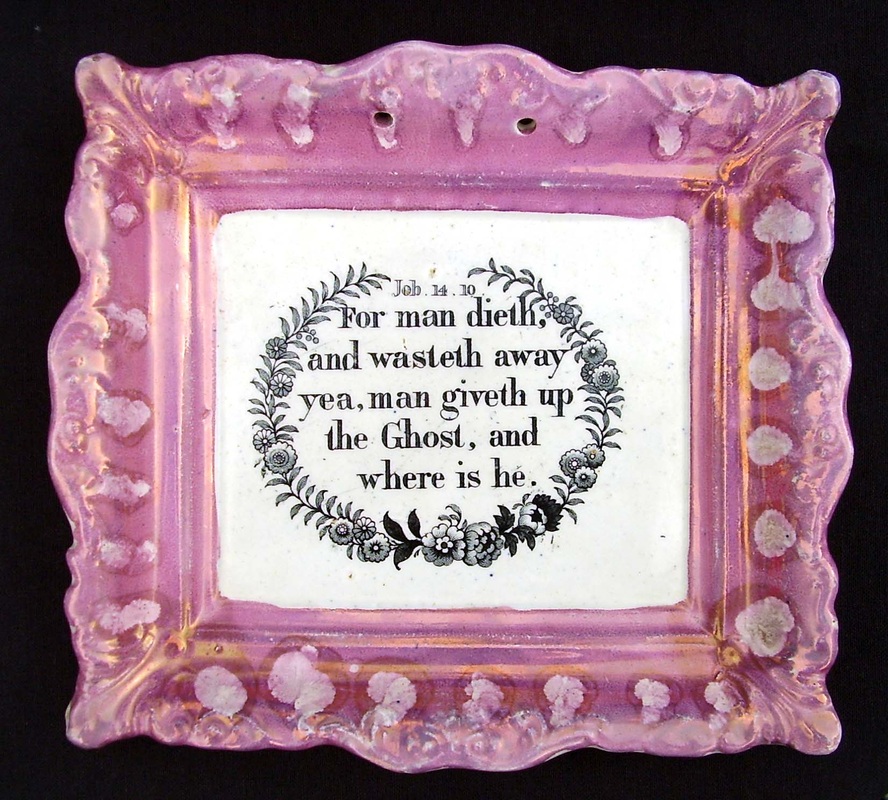

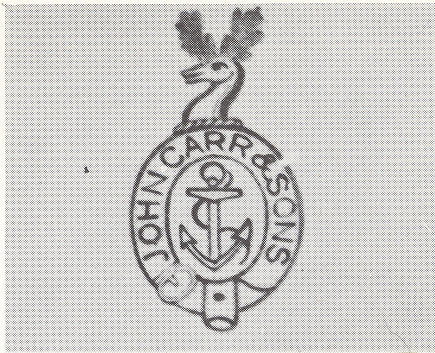
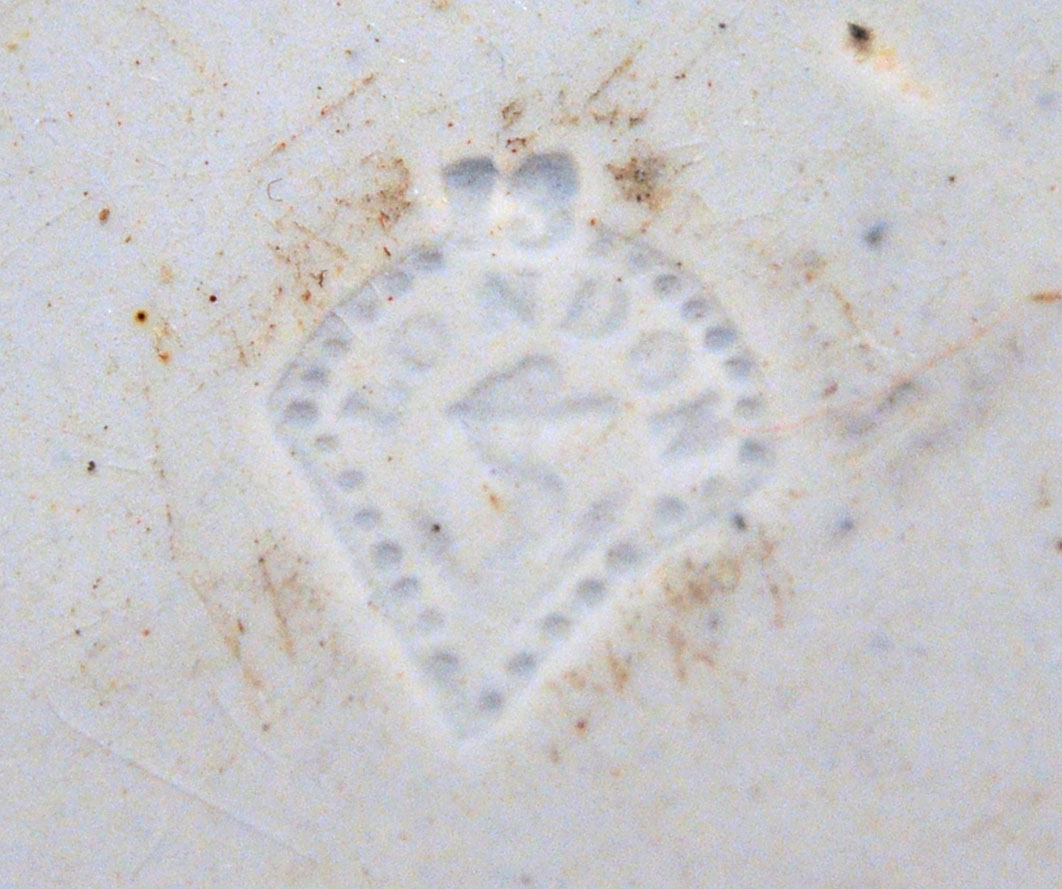
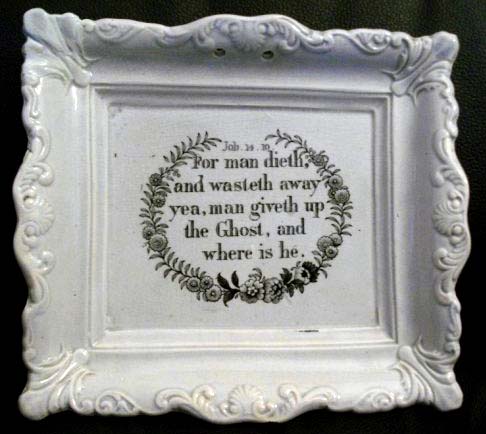
The plaques above have the verse reference at the top. The first plaque is of a larger size and attributed to Seaham Pottery. The fourth plaque has the John Carr & Sons impress. The fifth has a 'London' impressed mark with an anchor. Carr used London impressed marks, most likely on items destined for a London distributor. (Click here to find out more about the London impressed mark.) The other plaques are unmarked. The white plaque was likely sold as a factory second.
Job. 14. 10
For man dieth,
and wasteth away
yea, man giveth up
the Ghost, and
where is he.
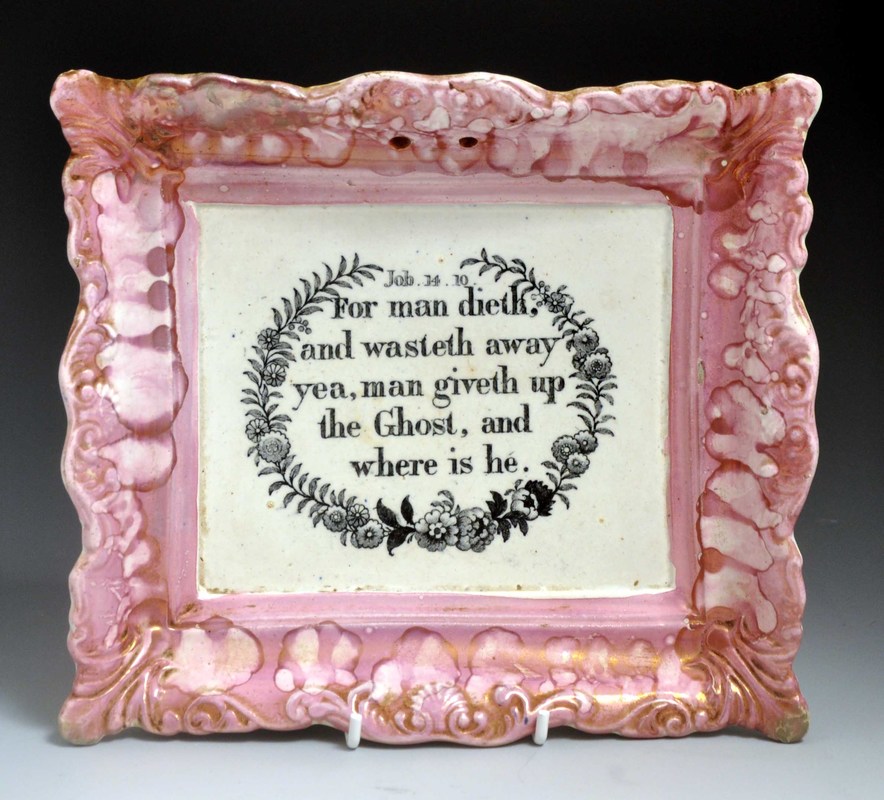
For man dieth,
and wasteth away
yea, man giveth up
the Ghost, and
where is he.
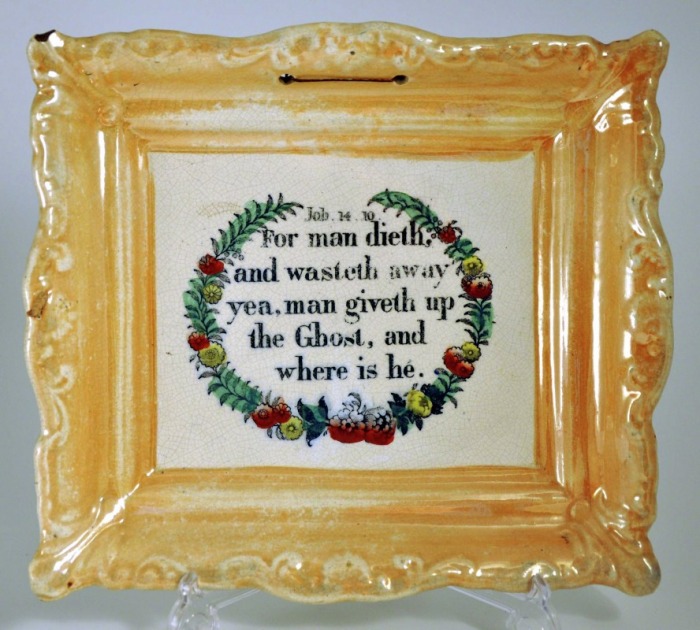
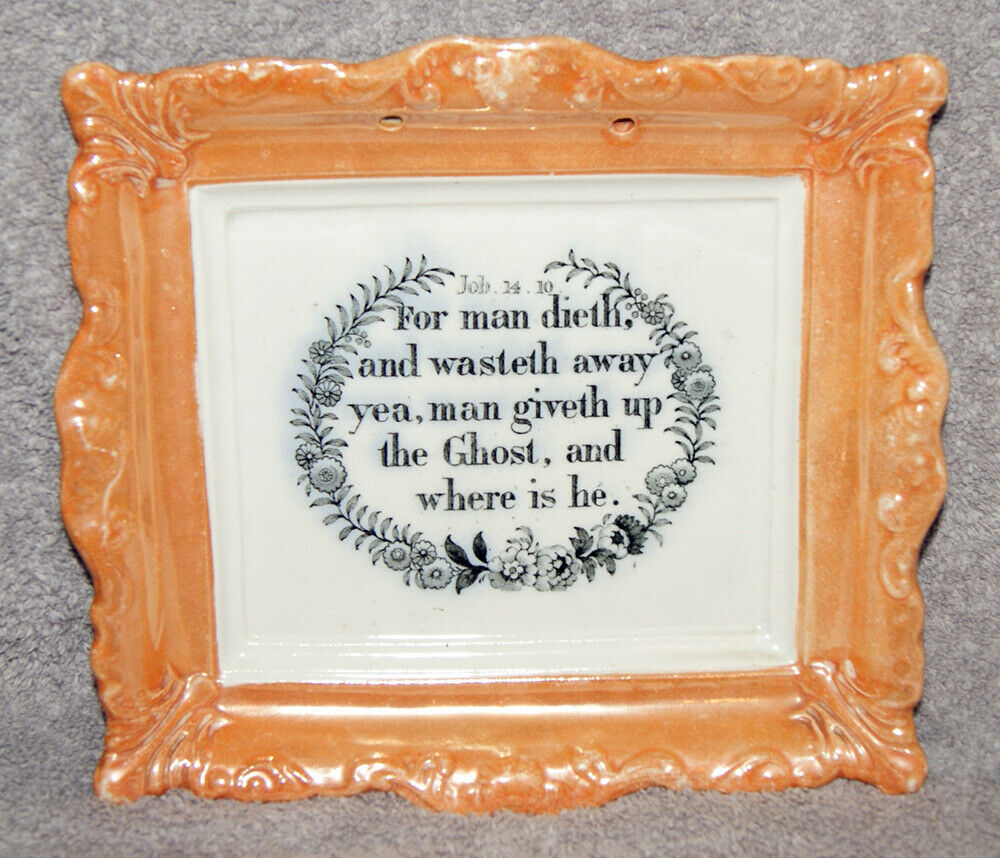
The first orange lustre plaque above is attributed to John Carr, post 1860. The second is later, and attributed to Ball's Deptford Pottery. Ball's appears to have accumulated many copper transfer plates from both Wearside and Tyneside potteries.
Thomas Fell & Co, Newcastle
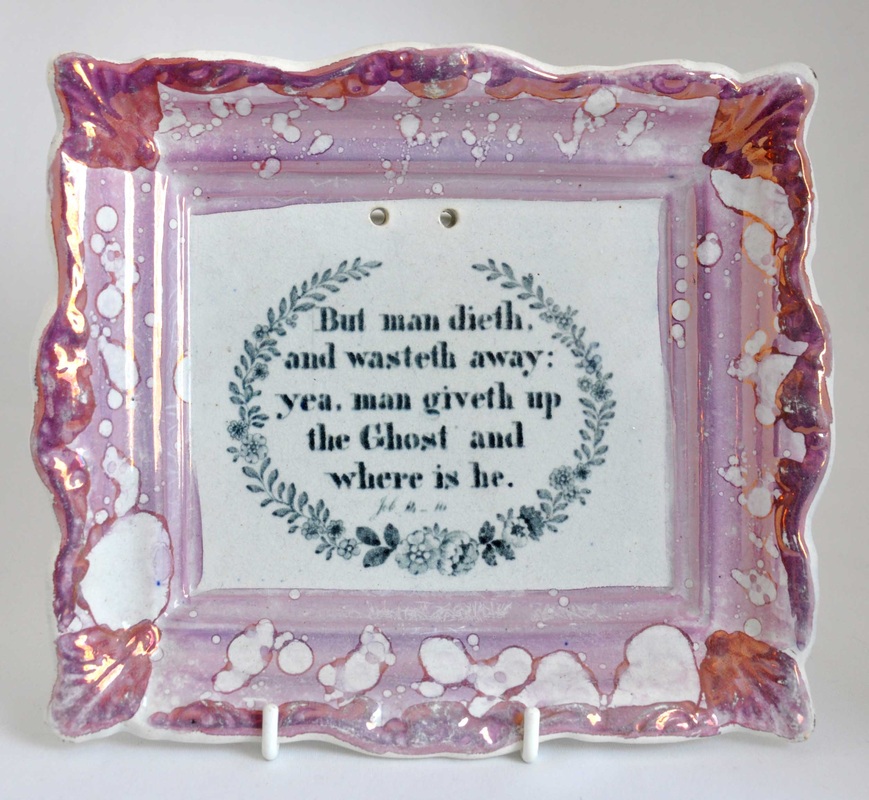
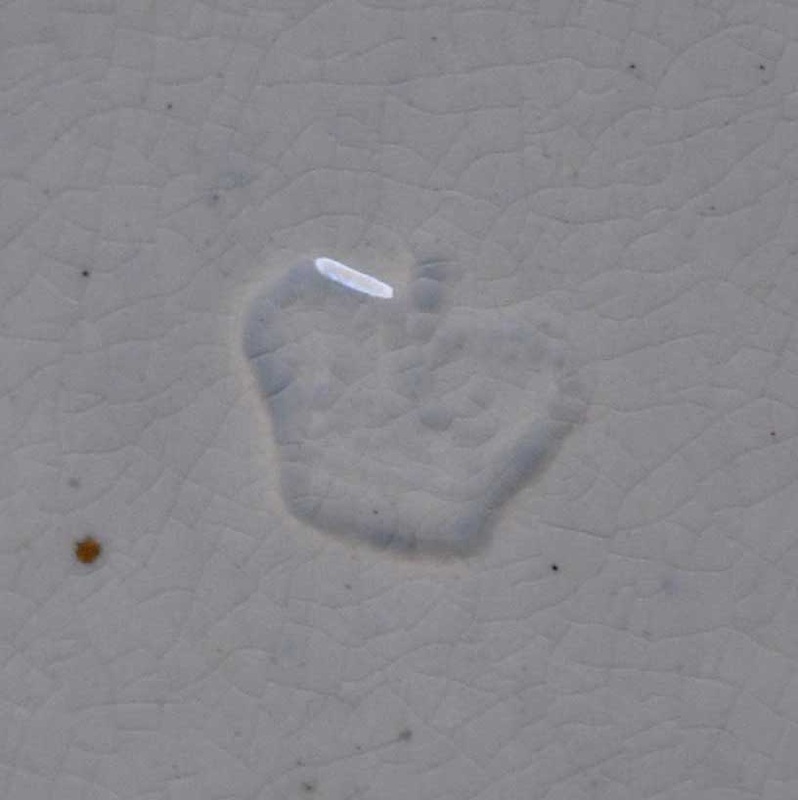
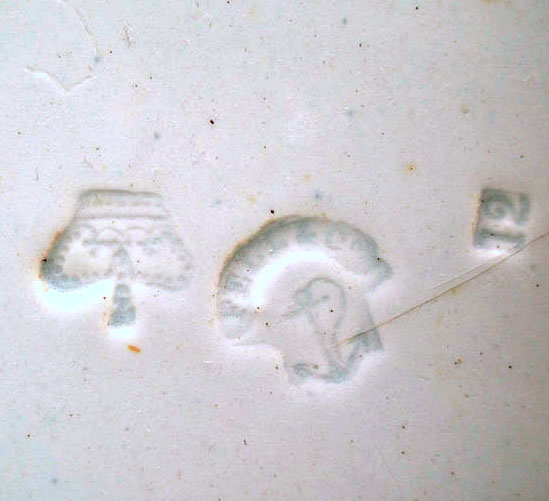
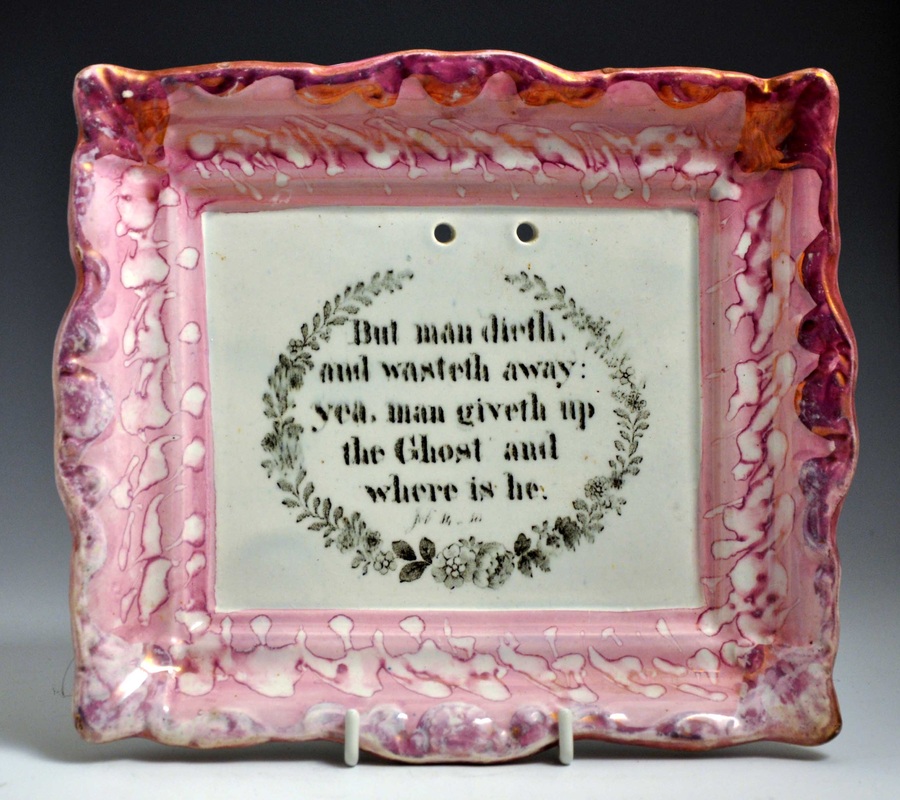

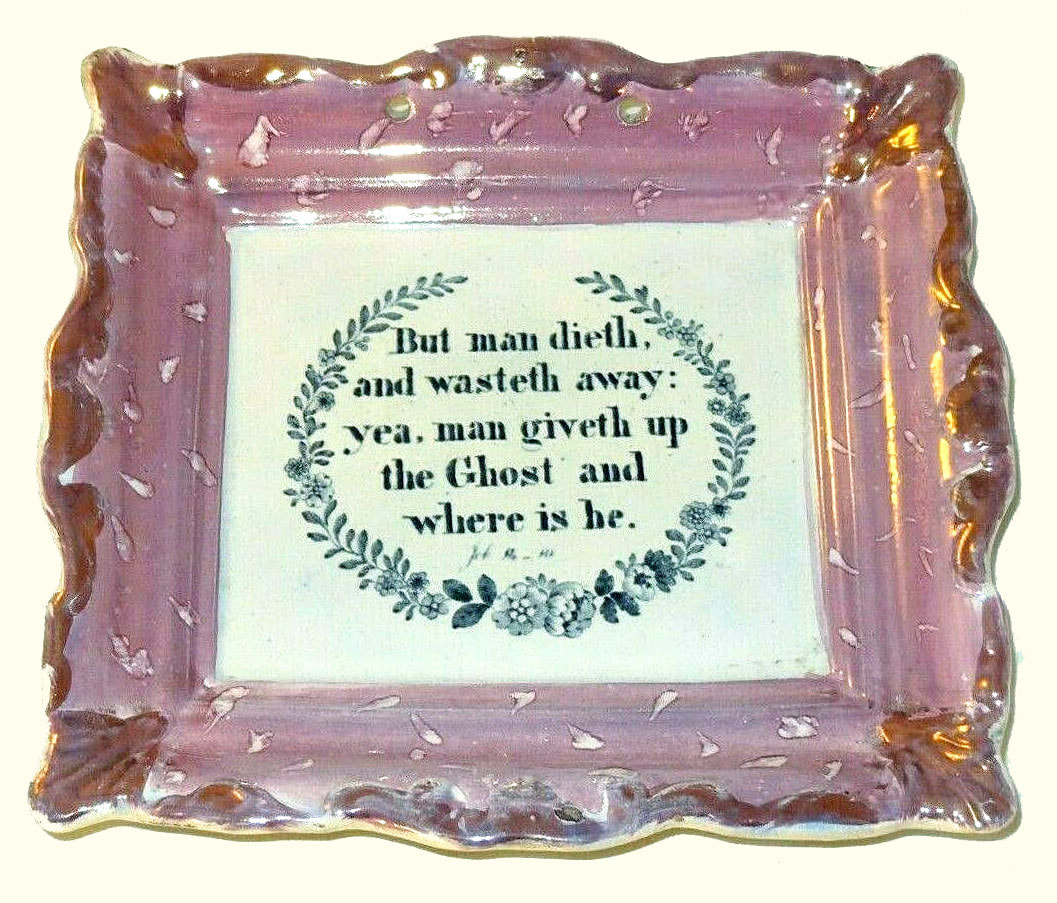
The first plaque has the crown impressed mark shown beside it. This mark appears on plates with the Fell & Co anchor impress. The top right photo shows this combination of marks on the back of a willow pattern plate. The second plaque has an impressed London mark (also with an anchor), used by Fell and other Tyneside potteries, perhaps on items destined for a London distributer. The bottom right plaque is unmarked. The transfer is clearer than the other two, so perhaps earlier, and the hanging holes are through the pink-lustre border, rather than the central portion of the plaque (a feature apparently peculiar to Fell). Two examples with green borders are shown below.
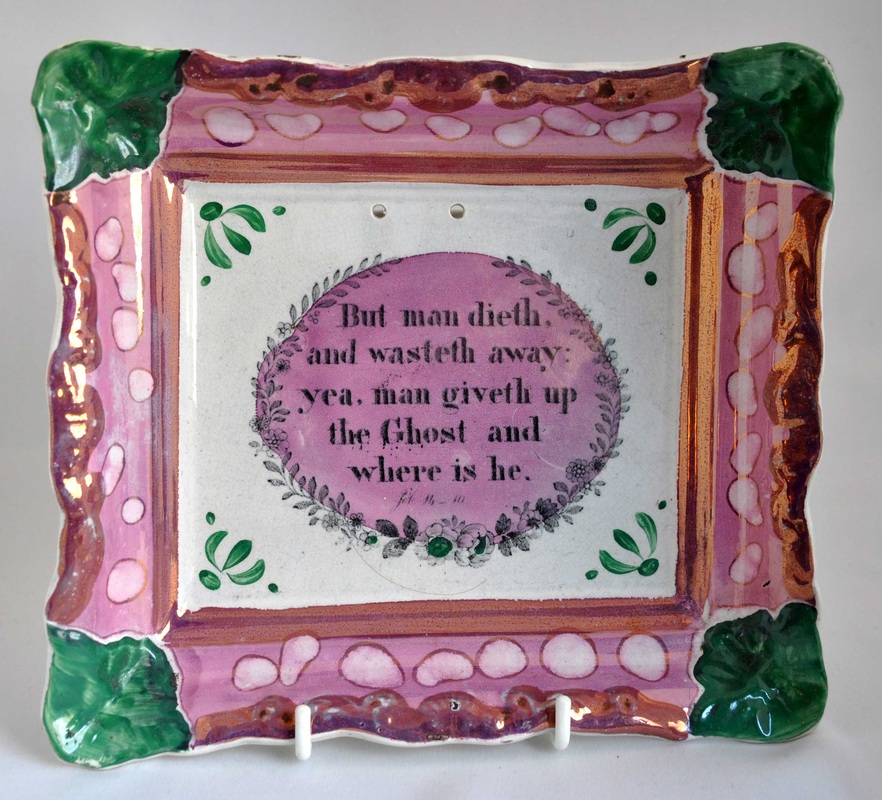
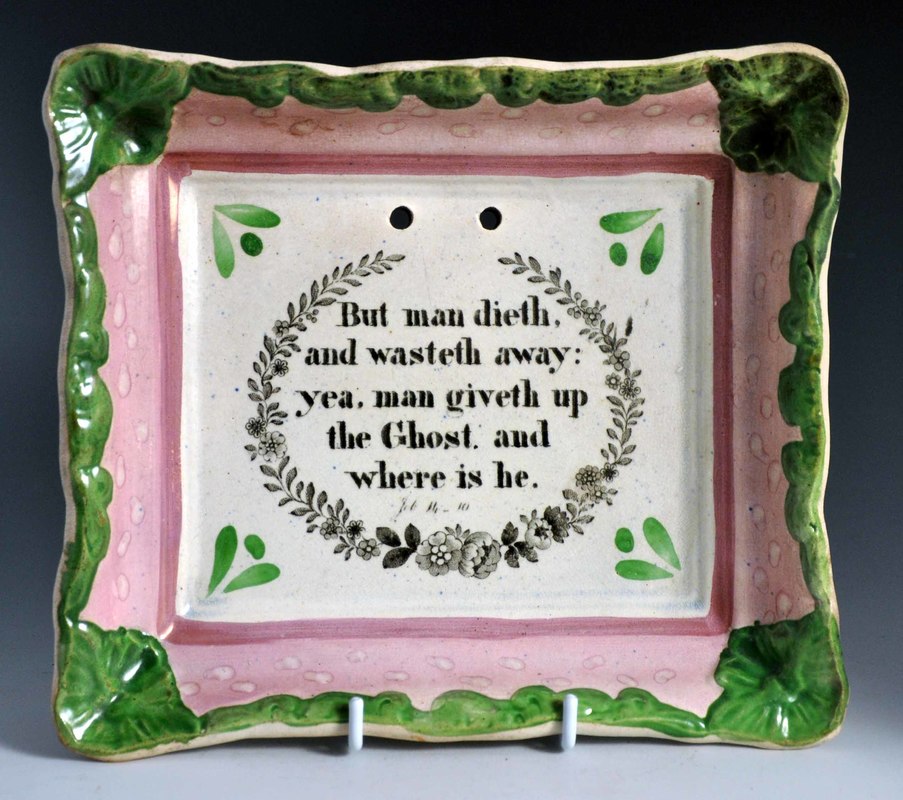
The Fell transfer has the correct verse from Job beginning 'But man dieth...' (see transcription below). N.B. the other plaques begin 'For man dieth...'.
But man dieth,
and wasteth away:
yea, man giveth up
the Ghost and
where is he.
Job 14 – 10
and wasteth away:
yea, man giveth up
the Ghost and
where is he.
Job 14 – 10